Meal / work with the setting
Understand everyday eating
A Tokyo meal is easier to arrange when you know the setting you want: a quick counter bowl, a seated restaurant visit, a food-hall purchase or market browsing. Start with the district you are already exploring. Then give dietary needs, ordering conventions and somewhere to eat the same attention as the dish itself.
Match the meal to the available time
Ramen counters often revolve around a relatively focused meal, sometimes ordered through a ticket machine. Soba and udon shops may offer both quick counter service and more leisurely seated meals. A restaurant's layout and signs tell you more about the expected rhythm than the broad category of food alone.
Sushi also spans different settings, from straightforward casual meals to arranged counter experiences. Do not assume that every sushi restaurant follows the same ordering process or welcomes walk-ins on the same terms. For a specific experience, check the venue's own current arrangements; for an ordinary lunch, keeping a second option nearby reduces pressure.
A set meal can be useful when you want a clear combination of dishes rather than several separate orders. Look at what is included and whether additions are optional. Food photographs and display models can help identify a format, but they cannot reliably settle ingredient or allergy questions.
Browse markets as working places
Tsukiji Outer Market is known for food shops, eating places and streets connected with Tokyo's food trade. It is distinct from Toyosu Market, where the wholesale market functions relocated. Keeping those names separate avoids confusing a street-food-and-shopping outing with a wholesale-market visit that has different access arrangements.
In Tsukiji Outer Market, browsing works better when you keep shop entrances clear and follow each seller's instructions about where purchases may be eaten. Do not treat a busy market lane as a place to stop indefinitely with a group. Photography should not interrupt transactions or presume permission to photograph staff at close range.
Ameyoko, beside the Ueno area, offers a different shopping-street environment with food stalls and a broad mixture of goods. It can fit into a Ueno day without making the entire outing about eating. Yanaka Ginza offers smaller-scale neighbourhood shopping; its residential surroundings call for the same care you would give any local high street.
Use food halls without assuming a dining room
Department-store basement food halls, often called depachika, bring together prepared dishes, sweets and other food counters. Ginza's department stores and Isetan Shinjuku are established examples of this format. The appeal is variety and close browsing, not necessarily a place to sit and eat everything immediately.
Before buying a full meal, identify an appropriate place to eat and check whether the food needs prompt refrigeration or reheating. Nearby public spaces are not automatically picnic areas, and indoor seating rules vary. Ask staff about packaging and intended use if you are unsure how a purchase fits the rest of your day.
Tokyo Station's food retail can be useful around a rail journey, including packaged meals associated with train travel. Eating conventions differ between long-distance trains and ordinary commuter services. A meal suited to a reserved intercity seat is not a reason to unpack it on a crowded urban train.
Read the ordering process before joining in
- Ticket machine
- Select the dish and pay as instructed, then give the ticket to staff if that is the shop's process. Ask for help before paying if the choices are unclear.
- Counter service
- Wait to be directed to a seat when the entrance is busy. Keep bags out of shared passages and follow signs about water, condiments and payment.
- Table service
- Check whether payment happens at the table or a register. A bill left at the table does not always mean a server will collect payment there.
- Market purchase
- Confirm the seller's eating area and rubbish arrangements. Buying from one stall does not grant permission to use another business's seating.
Tipping is not customary in ordinary Japanese restaurant service. Follow the stated bill and payment process instead of adding an unsolicited gratuity. Bring more than one payment option because acceptance varies between businesses.
Make ingredients a separate conversation
Vegetarian-looking dishes may contain fish-based stock, and sauces can include ingredients that are not obvious from a photograph. Dashi is a useful example: it is a stock category, not a guarantee of a plant-based preparation. Ask about the actual recipe rather than relying solely on a dish name.
For allergies, ingredient information and cross-contact matter independently. General travel guidance is not personal medical advice; discuss serious dietary risks with a qualified healthcare professional and confirm requirements directly with the establishment. A written explanation can support that conversation, but cannot guarantee that a kitchen can accommodate it.
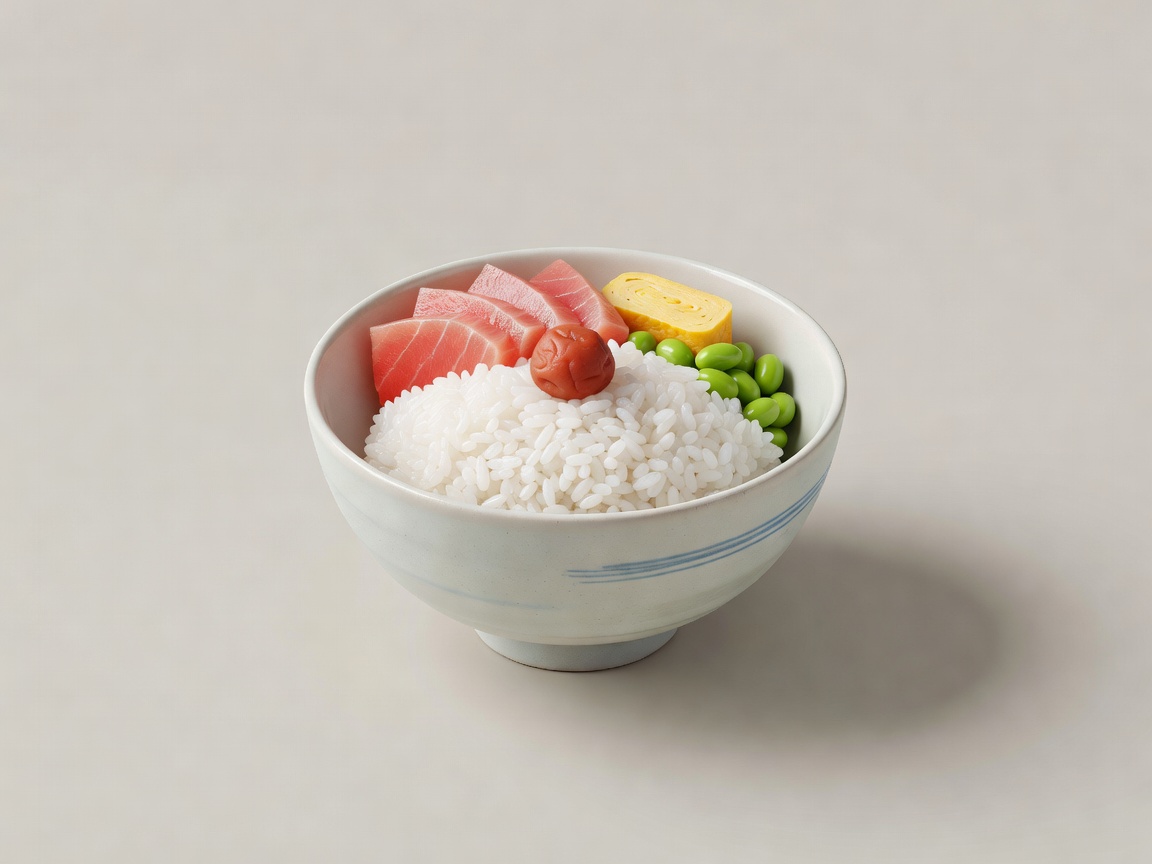
Keep a suitable fallback meal within the same district. That preserves the day's shape without making an uncertain food choice the only option.